What we do, and what each word actually means.
Hair patch, hair system, hair wig, hairline restoration — people search all of these and half of them mean the same thing. Here is every service we offer, in plain language, so you can tell which one you are actually looking for.
-
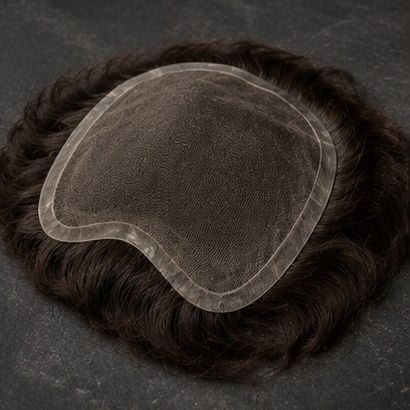
Hair patch for men
The common Indian term for a hair system. A base with hair tied into it, fitted over the area you have lost and blended into the hair you still have. It covers only what needs covering — it is not a full wig laid over everything.
-
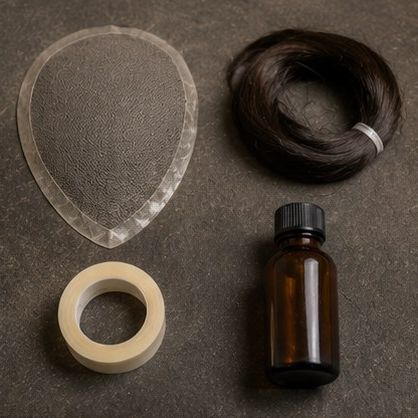
Hair replacement system
The technical name for the same thing. It is called a system rather than a product because it is four things together: the base, the hair, how it attaches, and the maintenance that keeps it looking right.
-
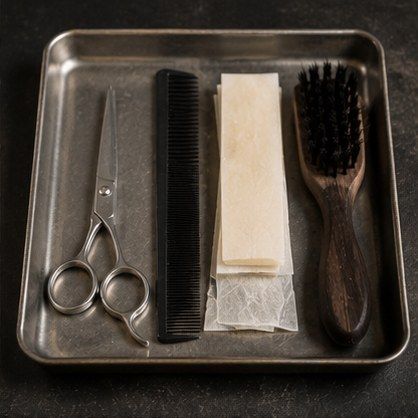
Non-surgical hair replacement
Coverage without surgery, injections or anaesthetic. The system sits on the scalp and is held with medical-grade tape or liquid bonding. Nothing is implanted and nothing goes under the skin.
-
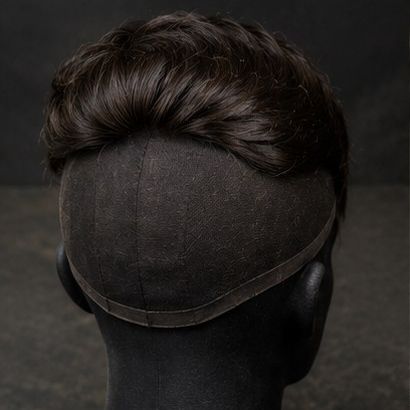
Hair wig for men
The older word for the same product, still the one most people search. A modern system differs from a wig in fit: it is cut to a template of your head rather than made to a standard cap size, and its edges are blended into your own hair instead of sitting on top of it.
-
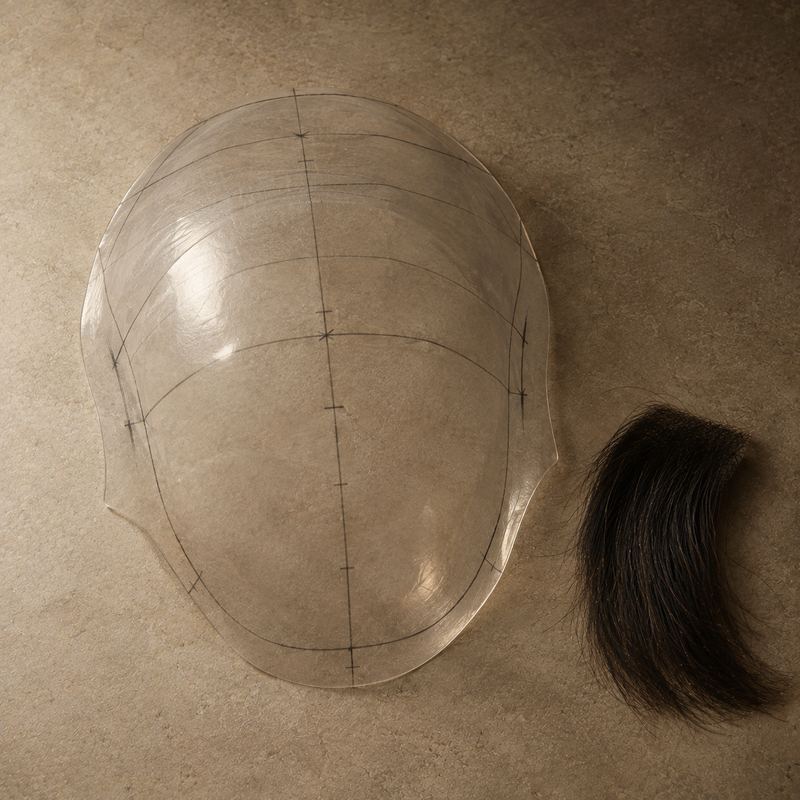
Custom hair system
Made from a physical mould of your head, matched to your hair colour, density, curl pattern and grey percentage. Two to three weeks to build. It sits flatter than a stock system, which matters if your head is not a standard shape.
-
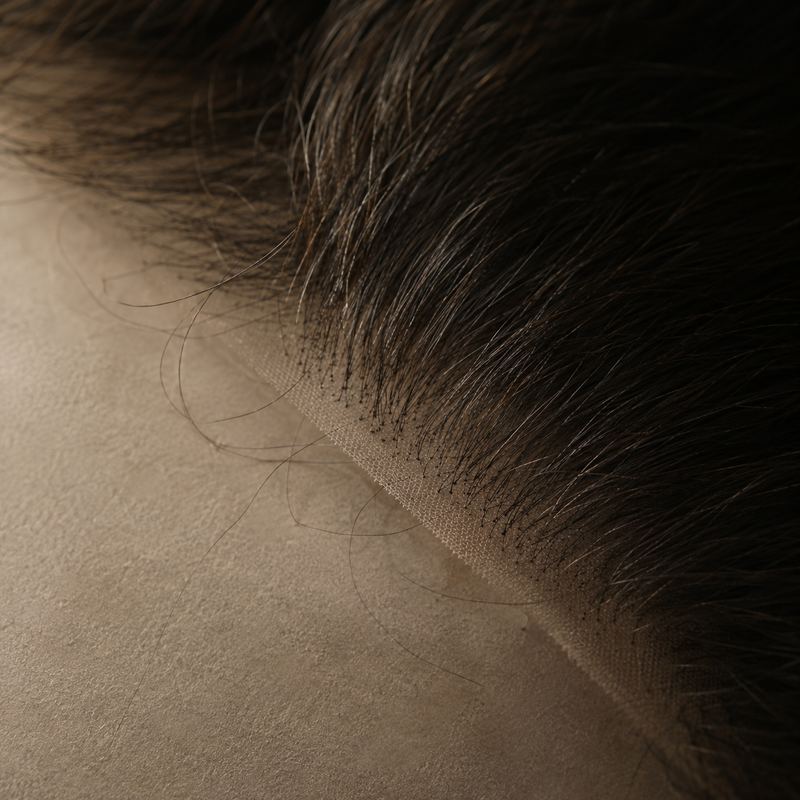
Front hairline system
For a receding hairline rather than a bald crown. Ultra-thin polyurethane or fine lace at the front, graded so the density thins towards the forehead the way a real hairline does, with a deliberately irregular edge. Nothing is cut in a straight line.
-
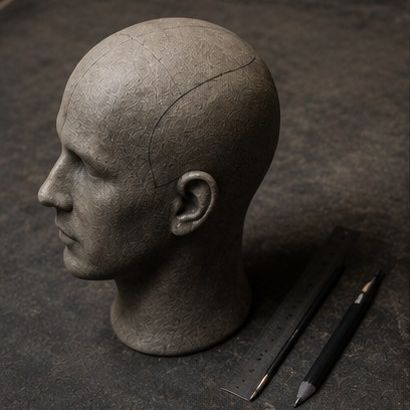
Hairline restoration and hairline advancement
Bringing the front edge forward again with a system, not with surgery. Where the hairline sits, how high it is and how much it recedes at the temples are drawn on your face and approved by you before anything is made.
-
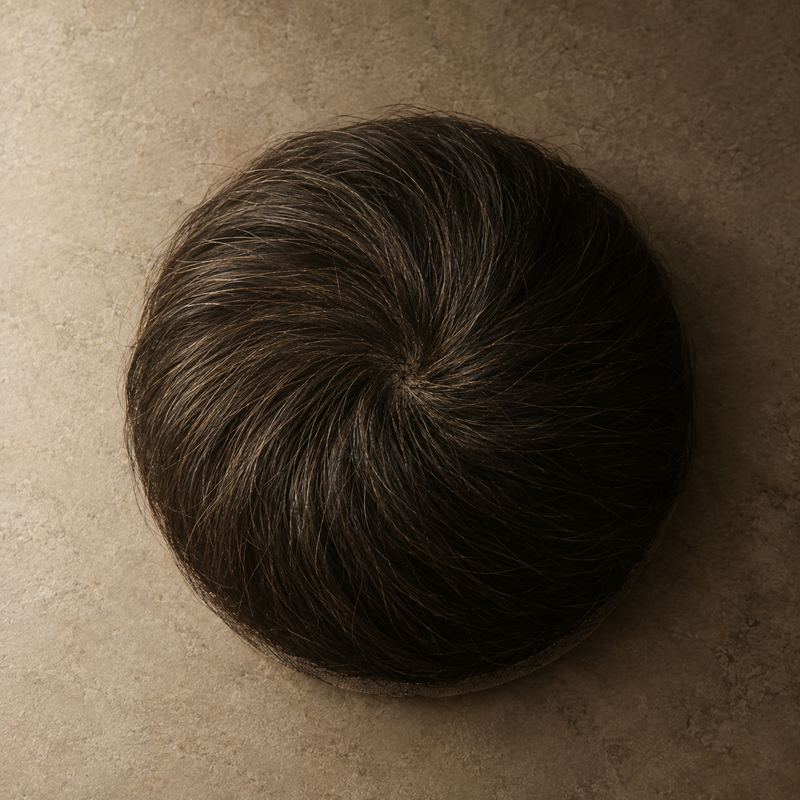
Crown patch
For when the front is holding but the crown has opened up. The piece covers only the bald area and is cut to your existing crown whorl, so the hair falls outward the way it should instead of standing up.
-
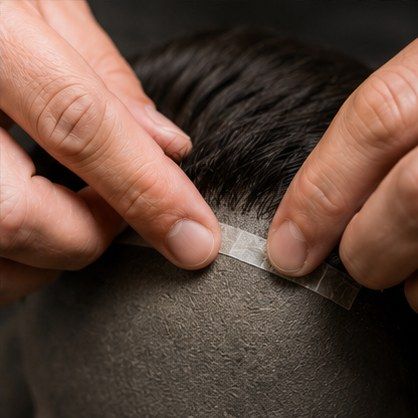
Fitting and blending
The system is attached, then cut and blended into your existing hair while it is on your head. This is the step where it stops being an object and starts being your hair.
-
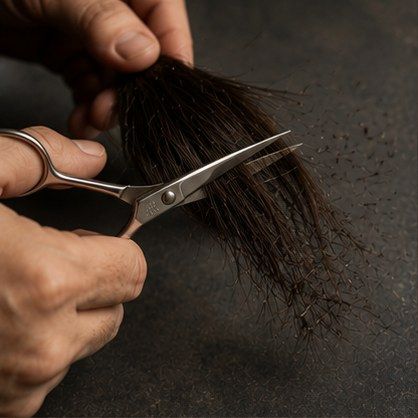
Cutting and styling
Done on your head, never on a block. The same system, cut well or cut badly, is the difference between nobody noticing and everybody noticing. It is the least discussed part of this trade and the most important.
-
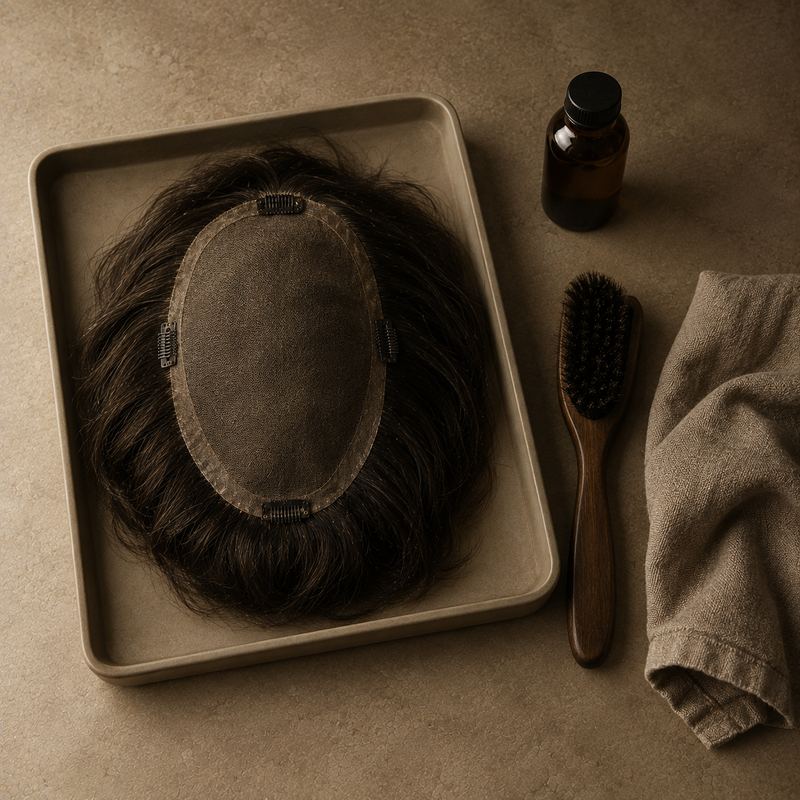
Maintenance and servicing
Every three to four weeks: clean, re-bond, re-trim. About twenty minutes, booked ahead. Skipping it is the main reason a good system starts looking like a bad one.
-
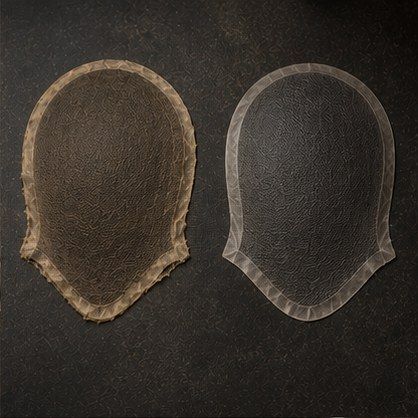
System replacement
Bases wear out — that is physics, not service quality. When one reaches the end of its life we build the next from the same template, so the fit does not change. Many clients run two systems in rotation so one is always fresh.
-
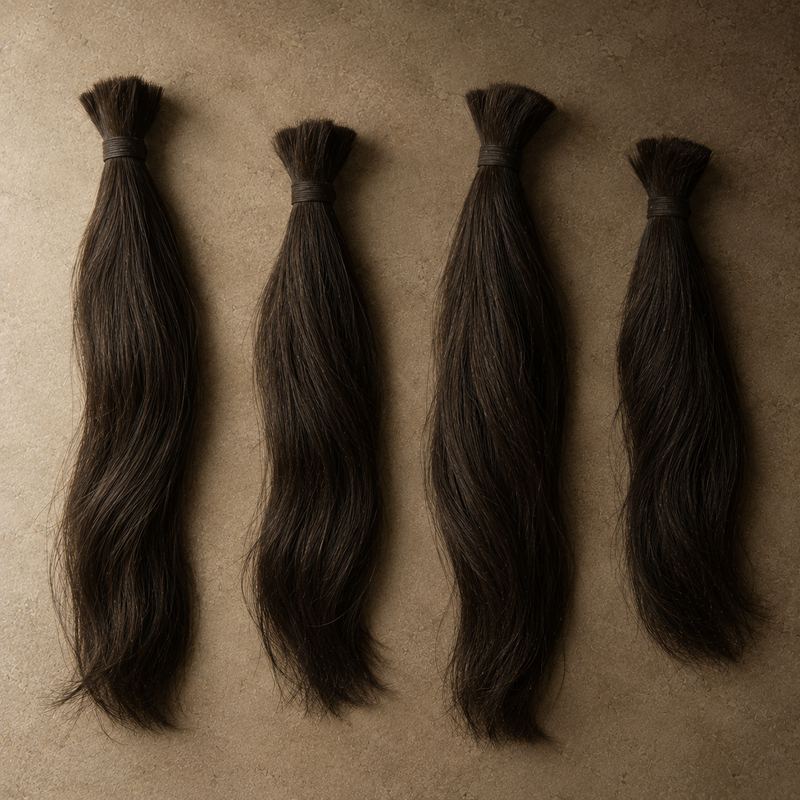
Hair extensions for men
Length and volume added to hair you still have, rather than coverage for an area you have lost. Matched to your own texture and colour, fitted and cut in studio.
-
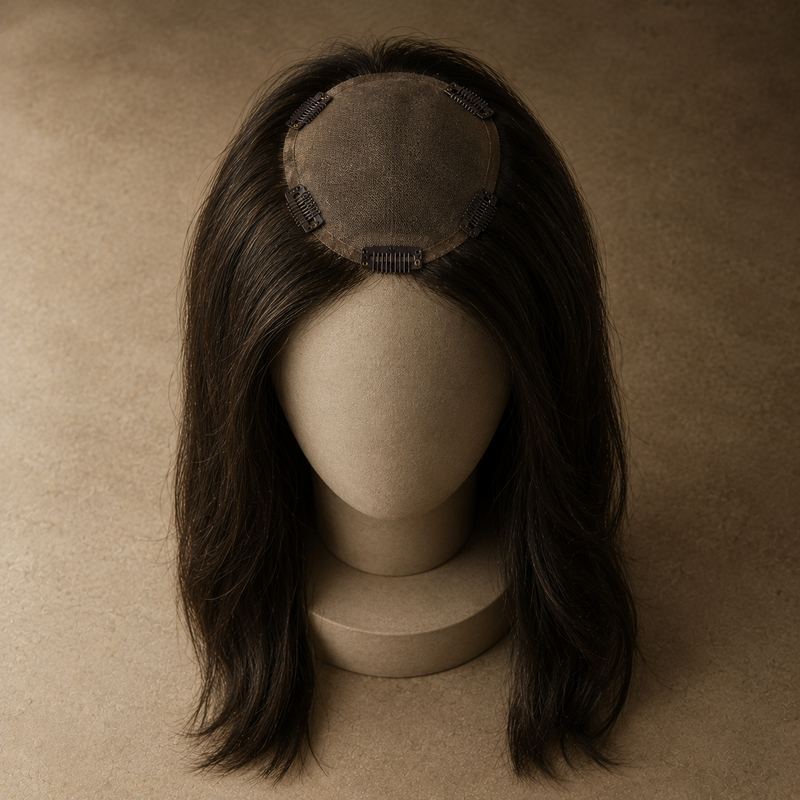
Toppers and volumisers for women
For diffuse thinning and loss of volume rather than a bald area. Density is added along the parting and through the mid-lengths, matched to your own texture so it moves as one head of hair.
-
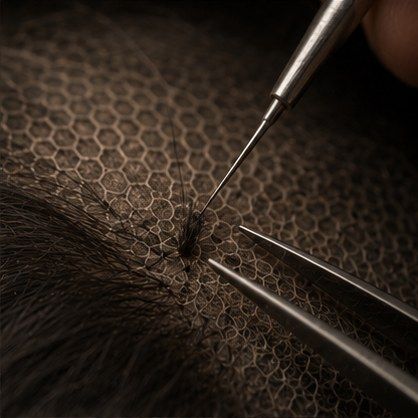
Hand-tied system manufacture
Systems are tied by hand to specification. Each strand is knotted at an angle so the hair lies the way yours does — get the angle wrong and the hair stands rather than falls, and no amount of styling fixes it.
What it looks like up close.
Three details that decide whether anybody notices: where the front edge meets skin, what shows through a parting, and which way the hair falls at the crown.
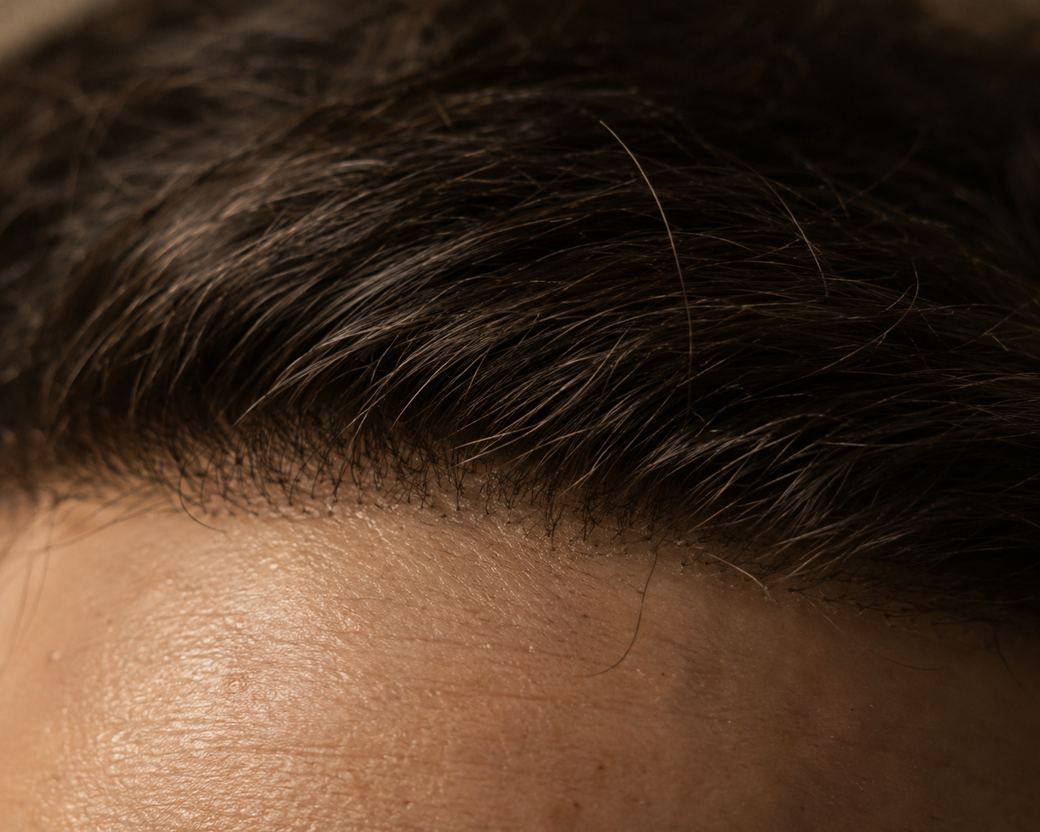
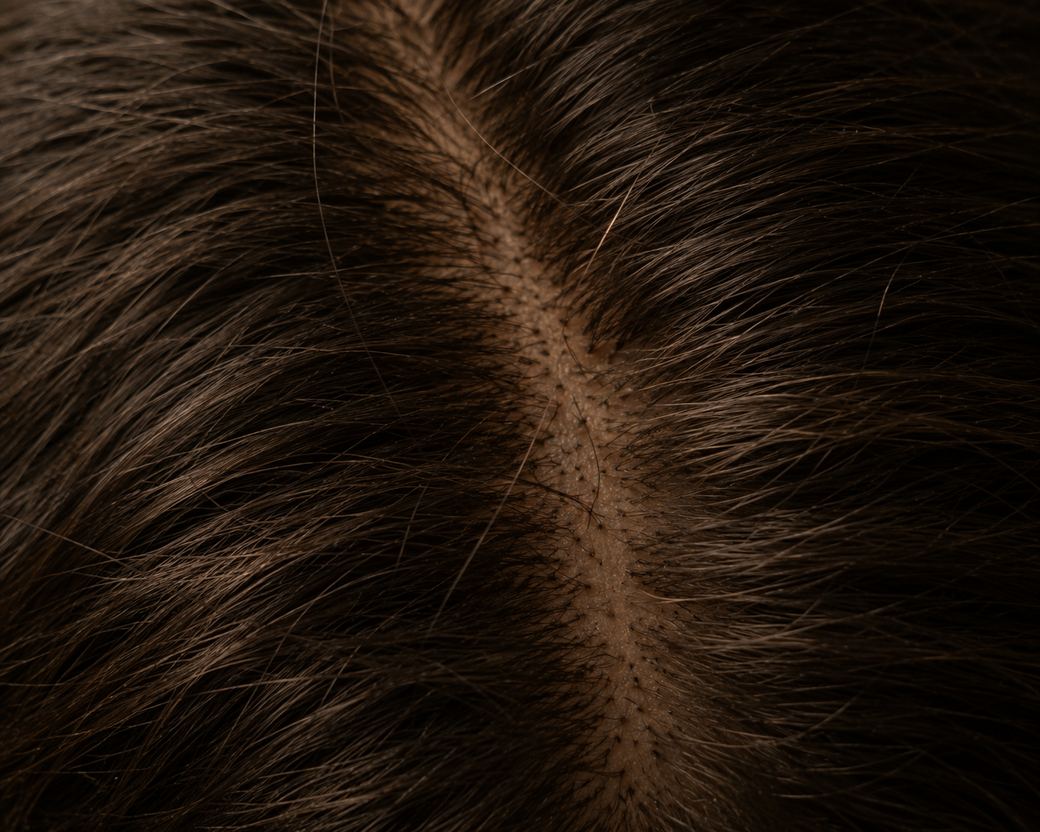
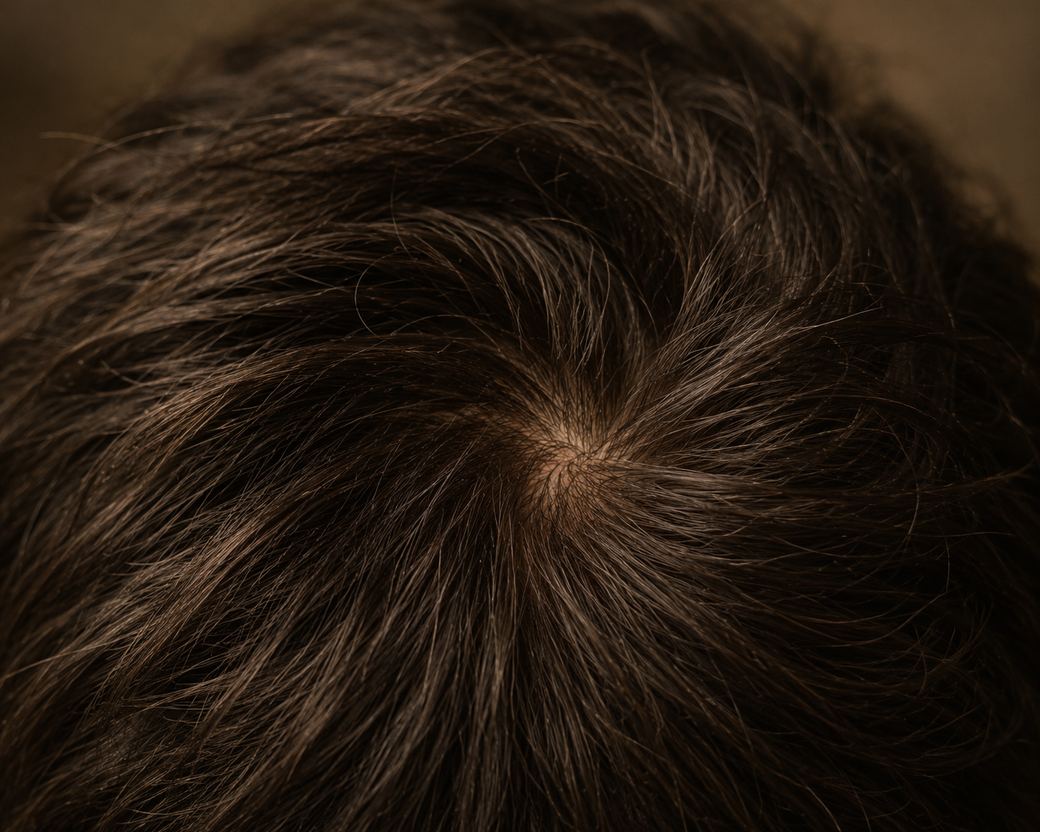
The photographs on this page illustrate the materials and the work. They are generated images — not photographs of clients, and not photographs of results.
What we do not do
We are a studio, not a clinic. We do not perform hair transplants of any kind — FUE, FUT, DHI or grafting — and we do not offer PRP, laser therapy, scalp micropigmentation, or any medical treatment for hair loss.
A hair system covers. It does not regrow anything. If regrowth is what you are after, that is a medical question for a dermatologist or trichologist, and we will tell you so at the consultation rather than sell you something that will not do it.
We also do not quote a price over the phone. What it costs depends on the base material, the hair grade and how much area we are covering, and none of that is guessable without seeing your scalp. You get a full figure in writing at the consultation, including the first year of maintenance, before you commit to anything.
Not sure which of these you need?
That is what the consultation is for. Thirty to forty minutes, one client in the studio, no obligation to buy anything.